
There’s something utterly enchanting about the experience of savoring a slice of Japanese Cotton Cheesecake. Picture this: as I cut into the cake, it jiggles ever so slightly, revealing its irresistibly fluffy and light texture. The moment it touches my tongue, it melts away, leaving behind a delicate, subtly sweet flavor that’s reminiscent of a classic cheesecake but oh-so-much lighter.
This delightful dessert is not just a feast for the taste buds; it’s also a conversation starter. I remember serving it at a gathering and watching as everyone eagerly reached for a piece, wondering how something so airy could taste so rich. While it might seem daunting to make, trust me, the satisfaction of mastering this cloud-like cheesecake is worth every effort. Whether you’re new to baking or a seasoned chef looking for something unique, this recipe promises to impress friends and family alike. So, grab your ingredients and let’s whip up a dessert that captures the heart of Japanese sweetness!
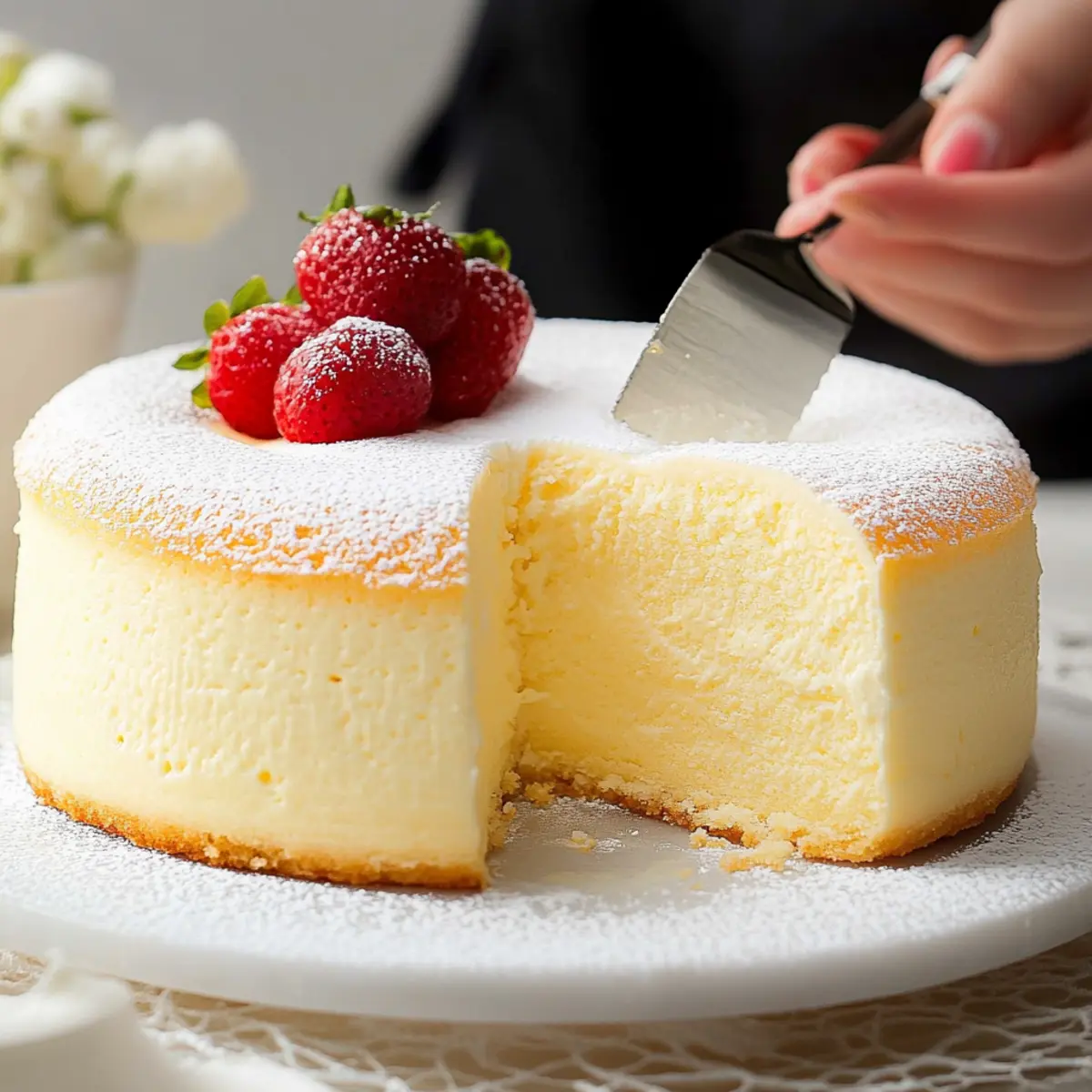
Why is Japanese Cotton Cheesecake a Must-Try?
Lightness: The Japanese Cotton Cheesecake is famed for its remarkably airy texture that feels like a cloud on your palate.
Showstopper: Impress your guests with its delicate jiggle and luxurious flavor—perfect for any occasion!
Versatile Flavors: Customize this classic dessert by infusing it with unique flavor extracts like matcha or almond to suit your taste.
Simple Techniques: While baking may seem intimidating, this cake’s process is straightforward, making it perfect for both novices and seasoned bakers.
Perfect Presentation: A dusting of powdered sugar or fresh fruits elevates its appearance, making it as visually appealing as it is delicious!
Whether for a cozy night in or a gathering, this recipe promises to be a hit!
Fluffy Japanese Cotton Cheesecake Ingredients
For the Batter
- Cake Flour – Provides the structure for a light texture; all-purpose flour can be used but may alter the fluffiness.
- Cornstarch – Essential for creating that tender, airy crumb; no substitutes recommended for best results.
- Cream Cheese – The creamy base adds richness; stick to full-fat for optimal texture.
- Unsalted Butter – Adds moisture and a rich flavor; ensure it’s at room temperature for easy mixing.
- Milk – Adds moisture to the batter; using full-fat milk ensures a deliciously creamy cheesecake.
- Egg Yolks – Contributes richness and helps emulsify the batter; fresh and room temperature eggs work best.
- Vanilla Extract – Enhances the flavor beautifully; try substituting with almond or ube extract for a twist.
For the Meringue
- Egg Whites – The secret to that fluffy texture; whip them to medium-soft peaks and start with room temperature eggs.
- Granulated Sugar – Provides sweetness while stabilizing the meringue; alternatives may affect the final texture.
- Lemon Juice – Stabilizes the egg whites while enhancing flavor; vinegar can be used as an alternative.
For Garnish
- Powdered Sugar – A lovely finishing touch for presentation; optional but highly recommended for an elegant look.
With these ingredients, you’re all set to create a stunning Japanese Cotton Cheesecake that will have everyone asking for seconds!
How to Make Japanese Cotton Cheesecake
Preheat & Prepare: Preheat your oven to 300°F (150°C) and line a 6-inch round baking pan with parchment paper to ensure easy removal of your cake later.
Melt Butter and Cream Cheese: Set up a double boiler and gently melt the unsalted butter and cream cheese together until smooth and creamy at around 130°F (55°C), whisking continuously.
Add Egg Yolk and Vanilla: Remove the melted mixture from heat and whisk in the egg yolks and vanilla extract until fully combined for a rich base.
Sift in Dry Ingredients: Sift the cake flour and cornstarch into the wet mixture, stirring until you achieve a smooth and lump-free batter.
Make Meringue: In a clean bowl, beat the egg whites with the lemon juice until frothy. Gradually add the granulated sugar, continuing to beat until medium-soft peaks form.
Combine Mixtures: Carefully fold the meringue into the batter in thirds, being gentle to maintain that precious airiness, creating a light and fluffy mixture.
Prepare Water Bath: Place the batter in the prepared pan and position the pan in a larger baking tray filled with hot water to create a humid environment while baking.
Bake: Start at 300°F (150°C) for 30 minutes, then lower the temperature to 230°F (110°C) for another 30 minutes. Finally, increase to 275°F (135°C) for 13-15 minutes, checking for doneness with a toothpick.
Cool Gradually: Turn off the oven and leave the cheesecake inside with the door slightly ajar for 30 minutes to prevent it from shrinking, then cool completely on a rack before removing from the pan.
Optional: Dust with powdered sugar before serving for an elegant touch.
Exact quantities are listed in the recipe card below.
How to Store and Freeze Japanese Cotton Cheesecake
Room Temperature: Keep the Japanese Cotton Cheesecake at room temperature for a few hours after baking. It’s best enjoyed fresh, but avoid direct sunlight.
Fridge: Store any leftovers in an airtight container in the refrigerator for up to 5 days. This helps maintain its fluffy texture.
Freezer: If you need to freeze, wrap slices tightly in plastic wrap and then in aluminum foil. They can be stored for up to 2 months.
Reheating: To enjoy, simply let it thaw in the fridge overnight. You can gently reheat individual slices in the microwave for about 10-15 seconds for a just-baked softness.
What to Serve with Fluffy Japanese Cotton Cheesecake?
Elevate your dessert experience by pairing this airy delight with complementary flavors and textures.
Fresh Berries: The tartness of strawberries or blueberries contrasts beautifully with the cheesecake’s sweetness, adding a refreshing touch.
Light Fruit Couli: A drizzle of raspberry or passion fruit sauce not only enhances the flavor but also adds a vibrant splash of color on the plate.
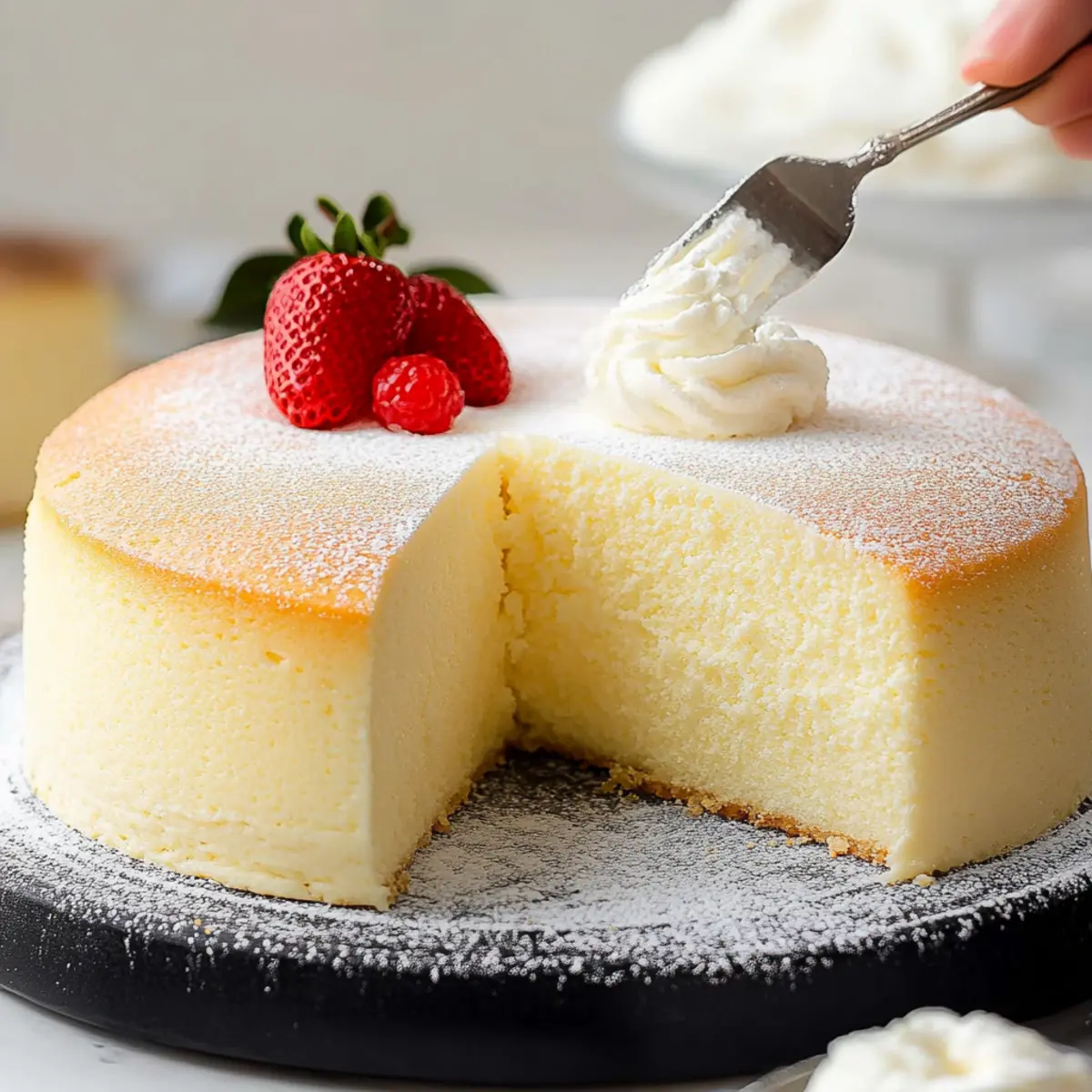
Whipped Cream: A dollop of lightly sweetened whipped cream provides a creamy contrast that amplifies the cake’s already luxurious texture.
Green Tea: A cup of matcha or green tea beautifully complements the flavors of the Japanese Cotton Cheesecake, offering a soothing finish to your meal.
Syrupy Dessert Wine: A chilled glass of light dessert wine can enhance the sweetness and create a blissful end to your culinary journey.
Almond Cookies: The nutty crunch of almond cookies provides a delightful texture contrast while echoing the light flavors of the cheesecake.
Each pairing adds its own unique flair, creating a delightful experience that’s perfect for gatherings or quiet evenings at home!
Make Ahead Options
These Fluffy Japanese Cotton Cheesecakes are perfect for meal prep enthusiasts! You can whip up the batter and store it in the refrigerator for up to 24 hours before baking, allowing the flavors to meld beautifully. To ensure the best quality, fold the meringue just before pouring the batter into the pan. Alternatively, it’s possible to bake the cheesecake ahead of time; let it cool completely, then refrigerate for up to 3 days. For serving, simply dust with powdered sugar right before enjoying. With these prep-ahead tips, you’ll save valuable time and still impress your guests with a delicious, melting dessert just like fresh from the oven!
Expert Tips for Japanese Cotton Cheesecake
Room Temperature Eggs: Make sure your egg whites and yolks are at room temperature. This allows for better volume and emulsification, crucial for achieving that airy texture in your Japanese Cotton Cheesecake.
Gentle Folding: When incorporating the meringue, use a light hand, folding in thirds to maintain airiness. Avoid over-mixing, which could deflate the fluffiness.
Proper Meringue Peaks: Ensure your egg whites are whipped to medium-soft peaks for stability. If you over-beat them to stiff peaks, your meringue can become dry and less effective.
Monitor Baking Temperature: Keep an eye on the water bath and your oven temperature during baking. A consistent temperature helps prevent cracks on the surface.
Gradual Cooling: Allow the cheesecake to cool in the oven with the door slightly ajar. This gradual change in temperature helps prevent shrinking and maintains its lightness.
Experiment with Flavors: Don’t hesitate to play around with flavor extracts. A touch of matcha or almond can elevate your Japanese Cotton Cheesecake to new delicious heights!
Variations & Substitutions for Japanese Cotton Cheesecake
Customize this delightful cake to suit your taste and dietary needs with these fun variations!
- Gluten-Free: Substitute cake flour with a gluten-free flour blend to accommodate gluten sensitivities.
- Dairy-Free: Replace cream cheese with a plant-based cream cheese and use coconut milk for softness.
- Additional Flavors: Try incorporating matcha, chocolate, or even coffee into the batter for delightful flavor twists.
- Fruit Infusion: Add pureed fruits like mango or strawberry into the batter for a tropical touch, enhancing natural sweetness.
- Textures Exploration: Fold in crushed cookies or nuts for a unique crunch that contrasts beautifully with the fluffy cheesecake.
- Lower Sugar: Experiment with natural sweeteners like honey or agave syrup for a lighter, more nutritious sweetness.
- Lemon Zing: Increase the amount of lemon juice or add lemon zest for a refreshing citrus punch that brightens the flavors.
- Mini Cheesecakes: Use a muffin tin to create individual-sized cheesecakes, perfect for portion control and ideal for gatherings.
Feel free to mix and match these ideas to create your perfect version of this airy dessert!
Japanese Cotton Cheesecake Recipe FAQs
How do I choose the right egg whites for the meringue?
Absolutely! Always use fresh, room temperature egg whites for the best volume. They whip up more easily and help create a fluffier texture in your Japanese Cotton Cheesecake. If possible, separate your eggs while cold, and allow them to warm up to room temperature before whipping.
What’s the best way to store leftover cheesecake?
Store any leftovers in an airtight container in the refrigerator for up to 5 days. I often put a piece of parchment paper between layers if I stack them to keep that lovely fluffy texture intact. For optimal taste, I recommend enjoying it fresh!
Can I freeze the Japanese Cotton Cheesecake?
Definitely! To freeze, wrap individual slices tightly in plastic wrap, then cover them with aluminum foil to prevent freezer burn. They can be stored for up to 2 months. When you’re ready to enjoy, let it thaw in the fridge overnight. For a freshly-baked experience, reheat a slice in the microwave for about 10-15 seconds.
Why did my cheesecake crack while baking?
Very common! Cracking often happens due to rapid temperature changes. Make sure to bake your cake in a water bath to maintain humidity and prevent crusting. If cracks still occur, it may indicate your oven temperature is too high, so an oven thermometer could be a great investment for accurate baking.
Can I make this cheesecake gluten-free?
Yes! You can substitute the cake flour with a gluten-free flour blend. Just be cautious, as the texture might differ slightly. I recommend using a blend that’s designed for baking to get closer to the fluffy texture of Japanese Cotton Cheesecake.
Is it safe to use lemon juice in baking if I have a citrus allergy?
If you have a citrus allergy, avoid using lemon juice; you can substitute it with white vinegar or even apple cider vinegar to stabilize your egg whites without compromising the texture. Just remember that this might slightly alter the flavor!

Fluffy Japanese Cotton Cheesecake: The Best Light Dessert Ever
Ingredients
Equipment
Method
- Preheat your oven to 300°F (150°C) and line a 6-inch round baking pan with parchment paper.
- Set up a double boiler and melt the unsalted butter and cream cheese until smooth, whisking continuously.
- Remove from heat and whisk in egg yolks and vanilla extract until combined.
- Sift cake flour and cornstarch into the mixture, stirring until smooth.
- In a clean bowl, beat egg whites with lemon juice until frothy, then gradually add sugar until medium-soft peaks form.
- Fold the meringue into the batter gently in thirds to maintain airiness.
- Pour the batter into the prepared pan and place it in a larger tray filled with hot water.
- Bake at 300°F (150°C) for 30 minutes, lower to 230°F (110°C) for another 30 minutes, then increase to 275°F (135°C) for 13-15 minutes.
- Turn off the oven and leave the cheesecake inside with the door ajar for 30 minutes, then cool completely.
- Dust with powdered sugar before serving if desired.
Leave a Reply